


If your baby or toddler recently started daycare and suddenly seems to be sick all the time, you are not alone. One week it is a runny nose. The next week it is a cough. Then comes a fever, a stomach bug, or another message from daycare saying something is going around.
It can feel exhausting, especially when you are trying to work, manage family life, and help your little one feel comfortable again. The good news is that frequent minor illnesses after starting daycare are very common. It does not mean you are doing anything wrong, and it does not mean your child is unhealthy.
This guide is here to help parents understand why daycare sickness happens, what is considered normal, when to keep your child home, and how to make the everyday routine feel a little easier.
Is It Normal for Kids to Get Sick Often After Starting Daycare?
Yes, it is very common. When babies and toddlers enter group care, they are suddenly around more children, more shared toys, more surfaces, and more little hands touching everything. Their immune systems are still learning, so they may catch more common viruses than they did at home.
Colds, coughs, sore throats, mild fevers, vomiting, and diarrhea can all spread in child care settings. This first year can feel especially intense for families, but for many children, the pattern becomes easier over time as they grow and build immunity.
A gentle reminder:
Frequent daycare colds are common, but parents should still trust their instincts. If your child seems unusually tired, has trouble breathing, is not drinking, has symptoms that worry you, or is not improving, it is always best to contact your doctor or pediatrician.
Why Daycare Germs Spread So Easily
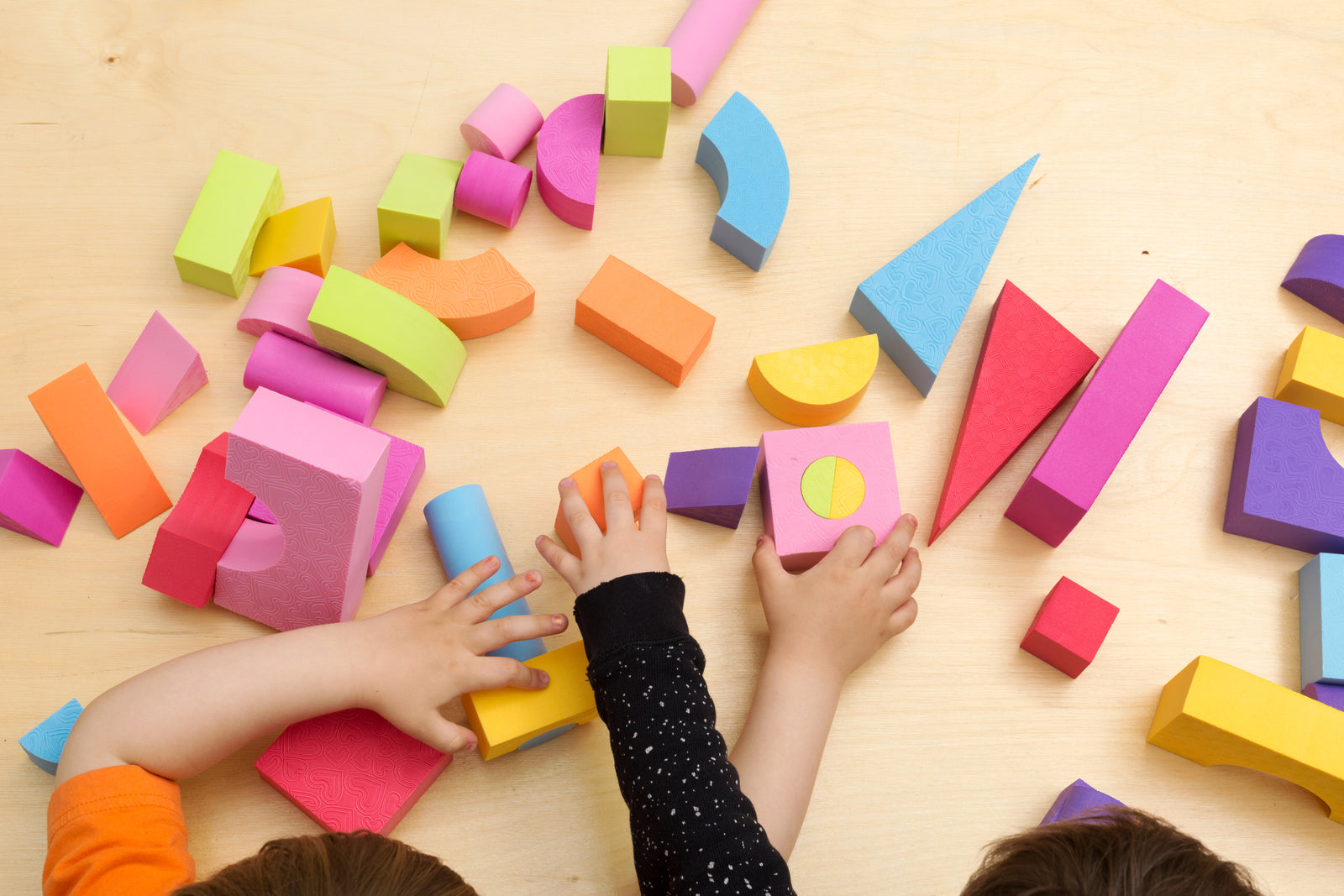
Daycare is full of shared moments: shared blocks, shared books, shared snacks, shared tables, shared nap spaces, and many children still learning how to cover coughs, wash hands, and avoid touching their faces.
Babies and toddlers also explore with their hands and mouths. They hug, crawl, climb, share toys, wipe noses, and touch the same surfaces over and over again. That is part of normal childhood, but it also means viruses can travel quickly through a classroom.
This is why hand washing, cleaning surfaces, washing soft items, and keeping sick children home when needed are so important in child care settings.
When Should You Keep Your Child Home From Daycare?
Every daycare may have its own sick policy, so it is important to follow your centre’s rules. In general, parents should keep children home when they are too unwell to participate, need more care than the teachers can safely provide, or have symptoms that may easily spread to others.
Common reasons to keep a child home may include fever, vomiting, diarrhea, a very frequent cough, unusual tiredness, difficulty breathing, or symptoms your daycare specifically asks families to monitor.
If you are not sure, call your daycare and ask. A quick conversation can save stress later in the morning and helps protect the other children and teachers too.

What Parents Can Actually Do
You cannot prevent every daycare illness. No parent can. But you can build small routines that help reduce the spread of germs and make sick days feel less chaotic.
1. Wash hands right after daycare
When your child comes home, make hand washing part of the routine before snacks, dinner, or play. For toddlers, it can help to make it simple and predictable: shoes off, wash hands, change clothes if needed, then snack.
2. Keep a small “sick-day basket” at home
A simple basket with tissues, a thermometer, saline spray, wipes, clean washcloths, and extra pajamas can make hard days easier. When your child is already tired and clingy, having everything in one place helps.
3. Wash daycare items regularly
Blankets, nap items, soft toys, hats, extra clothes, and lunch containers can all pick up germs during the day. Follow your daycare’s washing guidance and keep a regular laundry rhythm so you are not searching for clean extras on a Monday morning.
4. Pack extra comfortable clothes
Daycare days are full of snack spills, outdoor play, art projects, water tables, and unexpected accidents. A few extra soft outfits can make the day easier for both your child and their teachers.
For everyday daycare dressing, many parents prefer simple pieces that are soft, breathable, and easy to change — like bodysuits, rompers, cotton tops, easy pants, and cozy two-piece sets.
You can explore soft everyday essentials here: Organic Baby Clothes, Baby Bodysuits & Rompers, and Baby Bottoms.
A Simple Daycare Bag Checklist
A practical daycare bag can make messy, sick-season days feel more manageable. You do not need to overpack, but having the right basics helps.
- 2–3 extra bodysuits, tops, or onesies
- 1–2 extra bottoms
- Extra socks
- A soft layer for cooler rooms or outdoor time
- A wet bag for soiled clothes
- Nap blanket or sleep item if required by your daycare
- Labelled water bottle or cup
- Any medication or cream only if approved and requested by the daycare
The best daycare clothes are usually the ones that are easy to wash, easy to move in, and comfortable enough for both play and rest.
What About Changing Clothes After Daycare?
Some families like to change their child into clean clothes after daycare. This is not a magic way to stop illness, but it can be a helpful home routine, especially after outdoor play, messy meals, or a day when many children were coughing or unwell.
It also creates a gentle transition from school mode to home mode. For little ones, routines matter. A simple after-daycare rhythm might look like this:
- Come home
- Wash hands
- Change into soft home clothes
- Have snack or dinner
- Slow down for the evening
Soft pajamas or cozy home sets can make this transition feel calmer, especially when your child is tired after a full day.
For quiet evenings at home, see: Organic Pajama Sets.

How to Support Your Child During Sick Season
When children are sick often, parents naturally want to do more. But the most helpful things are usually simple and steady: rest, fluids, comfort, hand washing, and following your doctor’s advice when symptoms are more serious.
Try not to blame yourself. Daycare illness is one of the most common parenting seasons, and it can be emotionally draining. Some weeks you may feel like your child only just recovered before the next runny nose begins.
Be gentle with yourself too. Keep meals simple. Keep outfits easy. Keep routines calm. On sick days, comfort matters more than doing everything perfectly.
When to Call a Doctor
Always contact a doctor or pediatrician if your child has symptoms that worry you, trouble breathing, signs of dehydration, a fever in a very young baby, symptoms that are getting worse, or illness that does not improve as expected.
If your child has a medical condition, was born prematurely, or has a weakened immune system, ask your doctor what daycare illness plan is right for your family.
Final Thoughts
Starting daycare is a big transition. Your child is learning new routines, meeting new people, exploring new spaces, and yes, meeting new germs too.
The first season of daycare sickness can feel endless, but it is also very common. With simple routines, good hand hygiene, clear daycare communication, and comfortable everyday essentials, families can get through this stage with a little more calm.
For soft, washable, everyday pieces made for daycare, play, and home, explore: Norsu Organic Baby & Kids Essentials.
Helpful Sources for Parents
- HealthyChildren.org: When to Keep Your Child Home From Child Care
- CDC: Cleaning and Disinfecting Early Care and Education Settings
- Toronto Public Health: Infection Prevention & Control Measures for Child Care Centres
FAQ
Is it normal for my child to get sick often after starting daycare?
Yes, it is very common for babies and toddlers to get more frequent colds and minor illnesses after starting daycare. They are exposed to more children, shared toys, and new germs while their immune systems are still developing.
How long does daycare sickness usually last?
The first year of group child care can feel especially hard for many families. Some children seem to catch one illness after another at first, but this often becomes easier over time as they grow and build immunity.
Should I send my child to daycare with a runny nose?
It depends on your child’s overall condition and your daycare’s sick policy. If your child feels well, has mild symptoms, and can participate, some centres may allow attendance. If they have fever, vomiting, diarrhea, severe cough, or seem very unwell, they should usually stay home.
How can I help prevent daycare germs from coming home?
Make hand washing part of the after-daycare routine, wash daycare items regularly, clean bottles and lunch containers, and keep extra soft clothing available for changes after messy or sick-season days.
What should I pack in my child’s daycare bag?
Pack extra tops, bottoms, socks, a soft layer, a wet bag, and any nap items your daycare requires. Choose clothes that are comfortable, easy to wash, and simple for caregivers to change.
When should I call a doctor?
Call a doctor if your child has trouble breathing, signs of dehydration, symptoms that are getting worse, a fever in a very young baby, or anything that feels concerning to you as a parent.
Leave a comment