



Starting kindergarten is a big milestone—for children and parents alike. And as the first day gets closer, many families quietly wonder the same thing: Is my child really ready for kindergarten?
The reassuring answer is that kindergarten readiness is not about checking every box perfectly. Children begin school with different personalities, experiences, strengths and developmental timelines. Some may already recognize words, while others are still learning how to put on their own shoes or feel comfortable saying goodbye at drop-off.
What matters most is not whether your child can already read, write or count to 100. School readiness is broader than academics. It includes communication, social and emotional skills, independence, curiosity, movement and the ability to participate in everyday routines.
The quick answer:
A child does not need to master every skill before starting kindergarten. Instead, look at their overall development across six areas: social and emotional skills, communication, independence, routines, early learning and physical skills.
What Does Kindergarten Readiness Really Mean?
Being ready for kindergarten does not mean being academically ahead. A child who cannot yet read may be completely ready for school, while a child who can read simple books may still need support with managing frustration, joining a group or asking an adult for help.
In practical terms, kindergarten readiness means having a growing foundation that helps a child participate in a classroom, communicate basic needs, build relationships and learn through play, conversation and everyday experiences.
The exact expectations can vary by school, province and state. In Ontario, for example, kindergarten is a two-year program for four- and five-year-old children and includes opportunities to investigate, problem-solve, collaborate and learn through both structured and play-based experiences.
Kindergarten Readiness Checklist for Parents
Use this checklist as a gentle guide—not a test. You do not need to answer yes to everything. Instead, notice what your child can already do comfortably, what they are beginning to learn and where a little extra practice might help.
1. Social and Emotional Skills
Kindergarten brings new adults, new classmates, group activities, waiting, sharing and plenty of big feelings. Social and emotional readiness can make this transition easier, but these skills continue developing throughout the school years.
Your child may be developing kindergarten-ready social and emotional skills if they can:
- Separate from a parent or caregiver with support, even if they are sometimes upset.
- Play beside or with other children.
- Take turns with reminders.
- Express basic feelings such as happy, sad, angry, worried or scared.
- Ask an adult for help when they need it.
- Recover from small disappointments with support.
- Follow simple classroom or group expectations most of the time.
A child does not need to be outgoing or highly social to be ready for kindergarten. Quiet, cautious and slow-to-warm children can thrive at school too. Readiness is not about personality.
2. Communication and Language Skills
A kindergarten classroom involves listening, conversations, stories, questions and instructions. Children do not need perfect pronunciation or an advanced vocabulary, but being able to communicate basic needs is helpful.
Look for growing skills such as:
- Telling an adult when they need help.
- Answering simple questions about themselves or something that happened.
- Speaking in sentences that familiar adults can generally understand.
- Listening to a short story or conversation.
- Following simple one- or two-step directions appropriate for their age.
- Taking part in back-and-forth conversations.
- Showing interest in stories, songs, rhymes or books.
Children who speak more than one language may communicate differently across languages or settings. Being multilingual is not, by itself, a sign that a child is less ready for school.
3. Independence and Self-Care Skills
One of the most useful ways to prepare for kindergarten is to practise simple everyday independence. A child does not need to do everything alone, but being comfortable attempting basic tasks can build confidence.
Depending on age and individual development, your child may be learning to:
- Use the bathroom with increasing independence.
- Wash and dry their hands.
- Eat and drink independently.
- Open at least some lunch containers or food packaging.
- Put on or take off simple clothing.
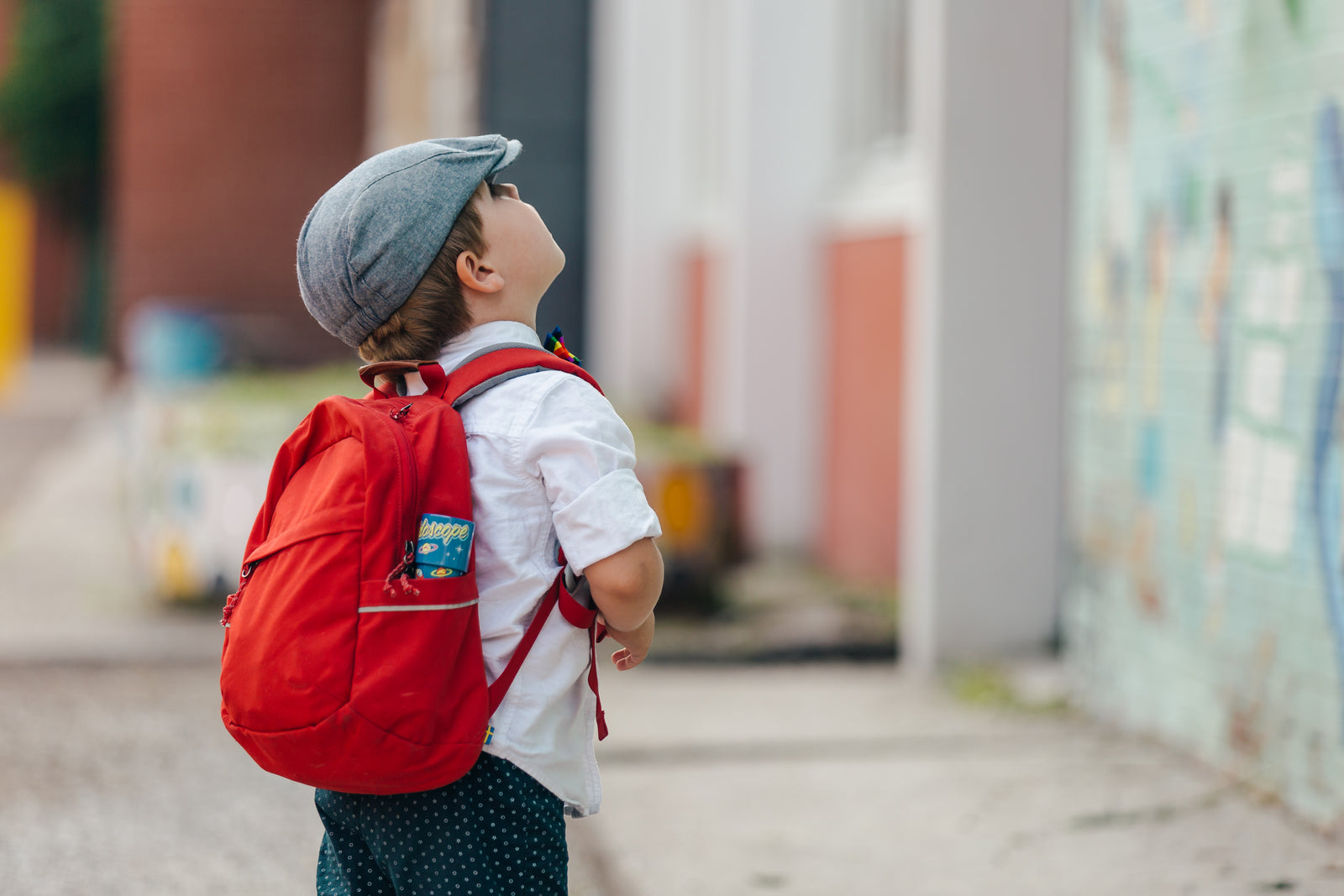
- Manage a backpack with some help.
- Recognize their own belongings.
- Tell an adult when they are hurt, uncomfortable or need assistance.
A practical tip:
In the weeks before school, let your child practise using the actual backpack, lunch containers, water bottle, shoes and outerwear they will use. Familiarity often helps more than repeatedly telling a child to “be more independent.”
4. Following Routines and Participating in a Group
Kindergarten includes many transitions: arriving, putting belongings away, sitting for a story, cleaning up, eating, going outside and moving between activities.
Your child does not need to sit still for long periods. Young children naturally need movement. However, it can help if they are beginning to:
- Follow familiar routines with reminders.
- Listen during a short group activity.
- Move from one activity to another with support.
- Help clean up toys or materials.
- Wait briefly for a turn.
- Understand simple safety rules.
Good routines at home can also make school mornings feel more predictable. If evenings are currently difficult, our toddler bedtime routine guide for ages 1–5 offers realistic ways to create a calmer nighttime rhythm before the school year begins.
5. Early Literacy and Math Skills
This is the area that often worries parents most, but kindergarten readiness does not require a child to arrive already reading, writing sentences or completing worksheets.
Useful early learning skills may include:
- Enjoying books and stories.
- Recognizing their own name, even if they cannot write it perfectly.
- Showing interest in letters, sounds, numbers or patterns.
- Counting a small group of objects.
- Recognizing some colours and shapes.
- Comparing objects by size, amount or other simple features.
- Asking questions and showing curiosity about how things work.
Curiosity matters. A child who asks questions, experiments, builds, sorts, draws, pretends and listens to stories is already developing important foundations for learning.
6. Fine and Gross Motor Skills
Children use their bodies throughout the kindergarten day—for drawing, building, climbing, carrying a backpack, using playground equipment and participating in games.
Depending on their age and development, children may be working on skills such as:
- Holding crayons, markers or pencils.
- Drawing simple shapes or pictures.
- Using child-safe scissors with supervision.
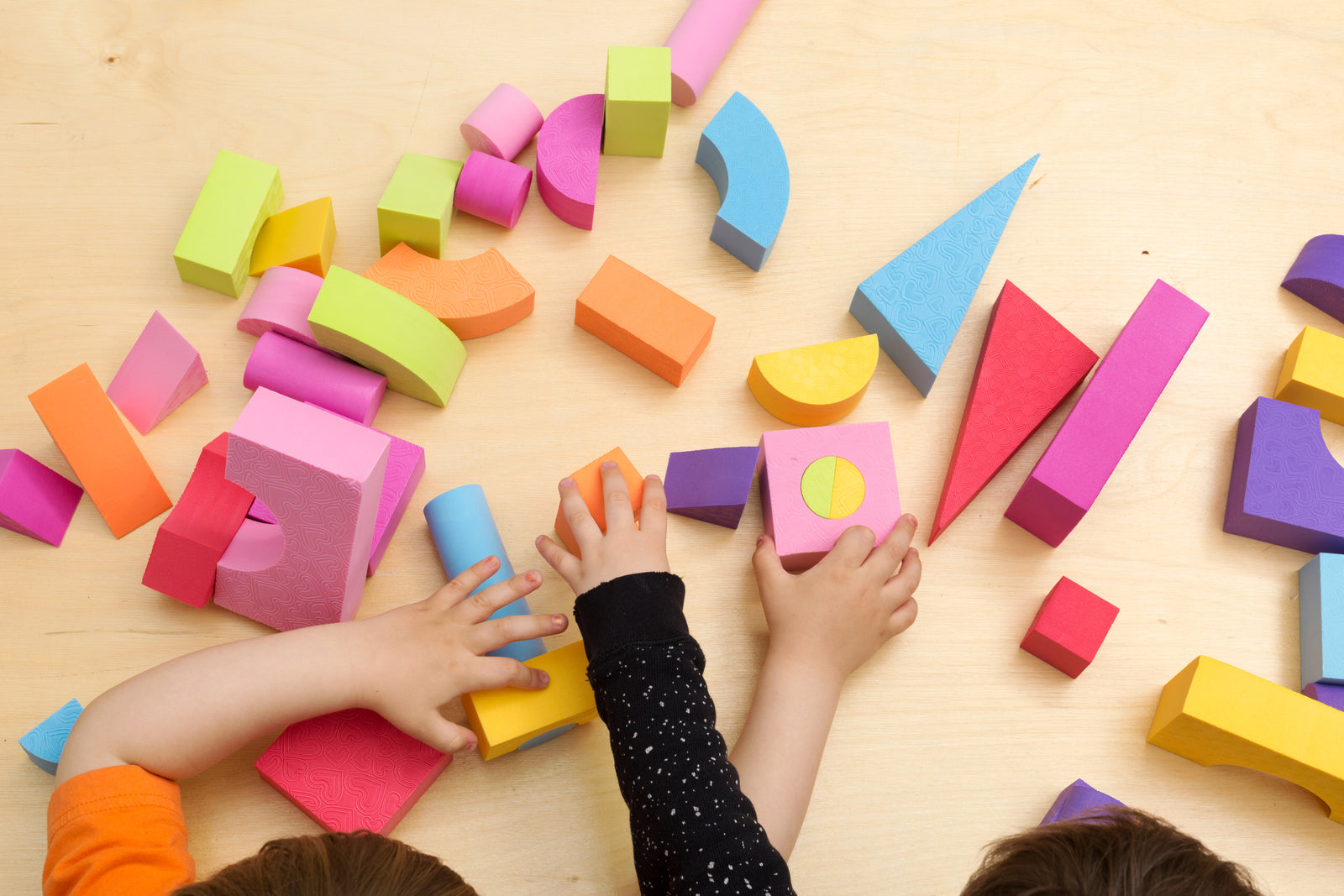
- Building with blocks or small objects.
- Running, jumping and climbing.
- Walking up and down stairs.
- Throwing or catching a ball.
Again, this is not a pass-or-fail list. Children develop different skills at different times, and schools are designed to continue helping them grow.
What Your Child Does Not Need to Know Before Kindergarten
Sometimes the easiest way to reduce anxiety is to talk about what is not required.
Most children do not need to:
- Read independently before the first day.
- Write full sentences.
- Know every letter and number.
- Count to 100.
- Sit completely still for long periods.
- Separate from parents without ever crying.
- Be naturally outgoing.
- Complete every self-care task perfectly without help.
Kindergarten exists for learning. Your child is not supposed to arrive having already mastered everything they will be taught.
A Simple At-Home Kindergarten Readiness Checklist
Instead of turning the final weeks of summer into school at home, focus on everyday experiences. Here is a realistic checklist you can use:
☐ Read together most days, even if only for 10 minutes.
☐ Let your child practise opening their backpack and lunch containers.
☐ Encourage them to put on simple clothes and shoes with less help.
☐ Practise washing hands independently.
☐ Give your child small responsibilities, such as putting toys away.
☐ Visit the school or walk past it when possible.
☐ Talk positively and honestly about what the school day may be like.
☐ Practise asking an adult for help.
☐ Create a predictable morning and evening routine.
☐ Leave plenty of time for outdoor play, imaginative play and rest.
You do not need flashcards, worksheets or a packed academic schedule. Reading together, talking, playing, drawing, helping at home and practising daily routines can all support school readiness in natural ways.
What If My Child Still Needs Help With Several Skills?
First, try not to panic. A checklist should help you notice patterns, not compare your child with another child.
Consider:
- Is this a skill my child has never had the opportunity to practise?
- Can they do it at home but not in unfamiliar situations?
- Are they making gradual progress?
- Is one specific area difficult, or are there concerns across several areas?
If you have concerns about your child's communication, movement, behaviour, hearing, vision or overall development, speak with your child's healthcare provider and, where possible, their future school or current early childhood educator. Asking questions early is not about putting a label on a child—it is about understanding what support may help them feel more comfortable and successful.
How to Help Your Child Feel Emotionally Ready
Academic skills often receive the most attention, but emotional preparation can be just as important for the first weeks of school.
Try simple conversations such as:
- “What are you excited about?”
- “Is there anything about school that feels a little worrying?”
- “Who can you ask if you need help?”
- “What do you think we should do when it's time to say goodbye?”
Avoid promising that your child will never feel nervous, lonely or upset. Instead, let them know that mixed feelings are normal and that trusted adults will be there to help.
For children already attending daycare or preschool, familiar routines such as carrying their own bag, managing outdoor clothing and keeping track of belongings can also help. Our daycare clothing checklist for toddlers and preschoolers includes practical tips that may also be useful when preparing for school.
The Most Important Thing to Remember
Your child does not need to be perfect, fearless or academically advanced to start kindergarten.
They may still need help zipping a jacket. They may forget what is in their backpack. They may cry at drop-off one morning and run happily through the door the next. They may know every letter but struggle to wait for a turn—or be wonderfully kind to classmates while showing little interest in writing their name.
That is childhood.
Kindergarten readiness is not about producing a finished student before the first day of school. It is about helping a young child arrive with growing confidence, curiosity and the knowledge that they can ask for help when they need it.
And perhaps the best thing parents can do is make preparation feel less like pressure and more like gentle practice for a new chapter.
Frequently Asked Questions About Kindergarten Readiness
Does my child need to know how to read before kindergarten?
No. Children enter kindergarten with a wide range of early literacy skills. Enjoying books, listening to stories, talking about pictures and showing interest in letters or sounds can all support early literacy development.
Should my child be able to write their name?
Being able to recognize or attempt to write their name can be helpful, but handwriting skills vary considerably among young children. It should not be treated as the single test of kindergarten readiness.
What social skills are important before kindergarten?
Helpful social skills include beginning to take turns, playing near or with other children, communicating basic needs, following simple group expectations and asking an adult for help. These skills do not need to be perfect before school starts.
What if my child cries at kindergarten drop-off?
Crying at drop-off does not automatically mean a child is not ready for kindergarten. New environments and separation can bring strong emotions. A predictable goodbye routine, calm reassurance and communication with educators may help the transition.
How can I prepare my child for kindergarten at home?
Keep preparation simple and practical. Read together, practise getting dressed, encourage independent handwashing, use the actual lunch containers and backpack your child will take to school, establish predictable routines and talk honestly about what the school day may be like.
Sources and further reading:
- Ontario Ministry of Education: Preparing for Kindergarten
- Ontario Ministry of Education: Kindergarten
- CDC: Developmental Milestones by 5 Years
- HealthyChildren.org: Is Your Preschooler Ready for Kindergarten?
This article is for general informational purposes and is not a developmental assessment or a substitute for professional medical or educational advice.
Laissez un commentaire