


Back-to-school shopping has a funny way of making it feel as though kids suddenly need an entirely new wardrobe.
But once school actually starts, most families quickly realize that the same comfortable, easy-to-wash pieces tend to get worn again and again.
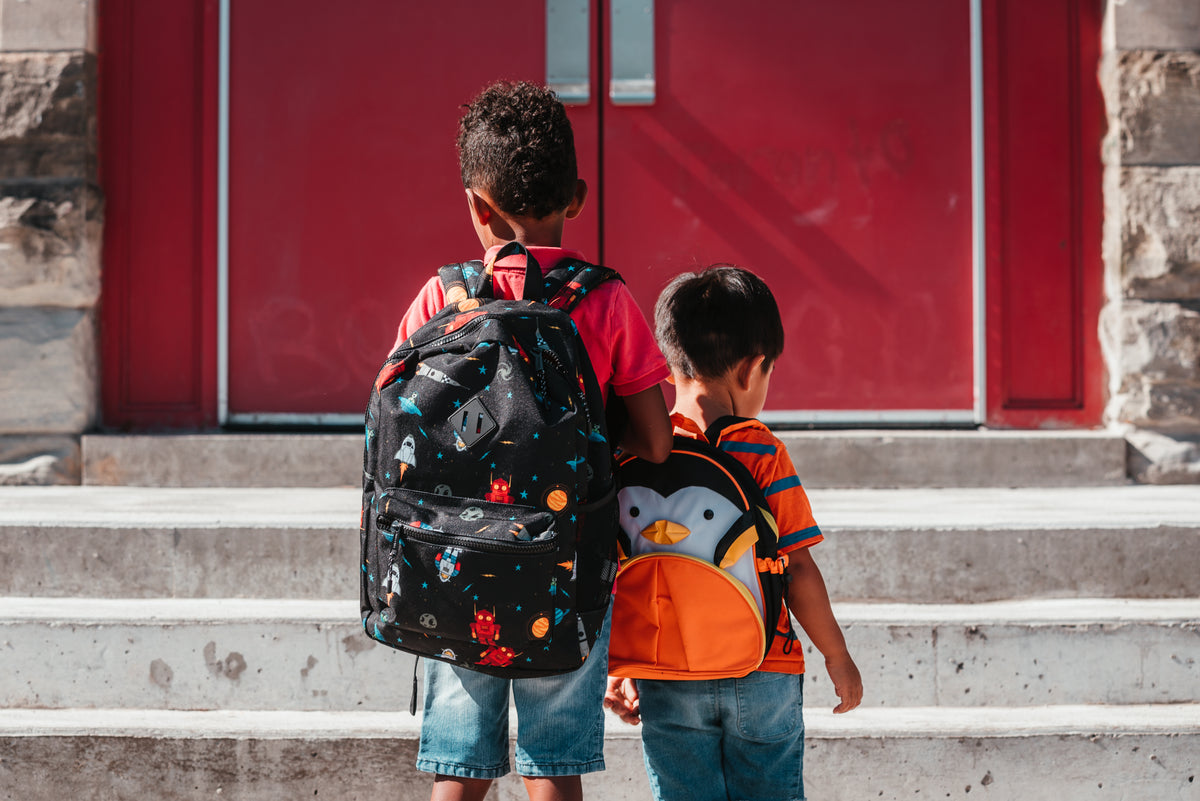
Children spend their school days sitting on the floor, running outside, climbing, painting, eating lunch, carrying backpacks and moving between activities. The best school clothes are usually not the fanciest ones. They are the pieces that feel comfortable, are easy to move in and make busy mornings a little simpler.
The quick answer: A practical back-to-school wardrobe should focus on comfortable tops, easy-to-manage bottoms, simple layers and a few extra pieces for changing weather or messy days. You do not need a huge closet—just enough pieces to mix, match and wash throughout the week.
Start With What Your Child Already Has
Before buying anything, take a quick look through your child’s current wardrobe.
September does not automatically mean everything from summer needs to disappear. T-shirts can still work under sweatshirts. Comfortable pants may still fit. A favourite dress can be layered when the mornings become cooler.
Try sorting clothes into three simple groups:
- Still fits and will work for school
- Almost outgrown
- Missing or needs replacing
This makes it much easier to see what your child actually needs instead of buying another pile of clothes simply because it is back-to-school season.
If you are unsure whether something still fits properly, our baby and kids clothing size guide can help you decide when it is time to size up.
Choose Clothes Kids Can Manage Themselves
For younger children especially, one of the most useful things you can look for in school clothing is independence.
Think about what happens during an ordinary school day. Children may need to use the bathroom, change for outdoor time, put a sweater on, take it off again or manage their clothes without a parent standing beside them.
Simple details can make a big difference:
- Elastic or pull-on waistbands
- Neck openings that are easy to pull over the head
- Stretchy fabrics that allow comfortable movement
- Layers that are easy to put on and take off
- Fewer complicated buttons, ties or closures
Of course, every child is different. Some four-year-olds are very independent with dressing, while an older child may still need help with certain fastenings. The goal is not perfection—it is simply to make their day a little easier.
If your child is preparing for their first year of school, you may also find our kindergarten readiness checklist for parents helpful.

Think in Layers
Early fall can be tricky to dress for. A morning that starts cool can feel completely different by afternoon, and indoor classrooms may be warmer or cooler than expected.
Rather than relying on one heavy outfit, simple layers give children more flexibility throughout the day.
An easy combination might be:
- A comfortable T-shirt or long-sleeve top
- Pull-on pants, leggings or joggers
- A sweatshirt or light layer that can be removed
This is also why versatile basics tend to work so well for school. A simple top can be worn on its own one week and layered under a sweatshirt a few weeks later.
You can browse our kids and toddler tops & sweatshirts or comfortable everyday bottoms if you are filling a few gaps in your child’s wardrobe.
Comfort Matters More Than the “Perfect Outfit”
A child might sit cross-legged during story time, run across the playground, climb, build, draw, eat lunch and head back outside—all in the same outfit.
That is why comfort and movement matter more than putting together a picture-perfect look every morning.
When choosing everyday school clothes, look for fabrics and fits that feel comfortable through a full day of activity. Breathable cotton, soft organic cotton, bamboo blends and stretchy fabrics can all work well depending on the season and what your child likes to wear.
The most useful question is often very simple: Will my child actually want to wear this for several hours?
If the answer is no, it probably will not become one of the pieces you reach for on a busy Tuesday morning.
Buy for Real Life—and Real Laundry
Paint, markers, grass, mud and lunch spills are all part of school life.
For everyday school clothing, washable pieces usually make more sense than outfits that need to be handled carefully. Before buying something, check the care instructions and think about whether they realistically fit your family’s laundry routine.
A smaller wardrobe of clothes that can be worn often may end up being much more useful than a closet full of pieces you are always saving for a special day.
A Few Practical Things Parents Sometimes Forget
For preschool and kindergarten-aged children, it is usually helpful to keep one complete change of clothes at school if their classroom allows it.
A simple backup set might include:
- One top
- One pair of pants or leggings
- Underwear
- Socks
It does not need to be a favourite outfit. In fact, this is a great place to use perfectly good clothes that are not currently in your child’s regular weekly rotation.
And label more than you think you need to. Sweatshirts, jackets, hats, water bottles, lunch bags and spare clothes have a surprisingly easy way of disappearing once school starts.
Children attending daycare or preschool may need a few additional items. Our daycare clothing checklist for toddlers and preschoolers goes into more detail.

Build Around Mix-and-Match Pieces
One of the easiest ways to simplify school mornings is to choose clothes that work together.
Neutral bottoms with a mixture of simple and printed tops, for example, make it easier for children to have some choice without creating an outfit puzzle at 7:30 in the morning.
You do not have to create a perfectly coordinated capsule wardrobe. Just try to avoid buying individual pieces that only work with one specific outfit.
When most tops can be worn with most bottoms, getting dressed becomes much easier.
How Many School Outfits Does a Child Really Need?
There is no perfect number because every family’s laundry routine is different.
If you wash clothes frequently, your child may need fewer pieces. If laundry happens once a week, having a few extras can make life easier.
As a general starting point, a simple school wardrobe might include:
- 5–7 everyday tops
- 4–5 comfortable bottoms
- 2–3 sweatshirts or light layers
- A few warmer or weather-specific pieces
- One backup outfit for school
This is not a shopping list. Your child probably already owns several of these pieces.
The idea is simply to have enough clothing to get through normal school days without feeling like you are constantly running out of something clean.
What About Base Layers?
Not every child needs separate activewear for an ordinary school day, but lightweight base layers can be useful for children who spend a lot of time outdoors or participate in sports and activities.
They can be worn on their own when the weather is warm or used as an extra layer when temperatures drop.
For families looking for this type of piece, our kids base layer collection includes lightweight options designed for movement and layering.
Don't Forget Your Child's Preferences
Parents naturally think about durability, price, weather and how often something needs to be washed. Kids tend to have a different checklist.
Is it soft? Is the waistband comfortable? Can they run in it? Do they like the colour? Is there a tag or seam that bothers them?
If your child is old enough, letting them choose between a few practical options can help. A perfectly sensible outfit is not very useful if it stays untouched in the drawer because your child refuses to wear it.
A Simple Back-to-School Wardrobe Is Usually Enough
Back to school does not have to mean starting over with an entirely new closet.
Start with what still fits. Add the pieces that are genuinely missing. Prioritize clothes your child can move in, manage independently and wear comfortably for a full school day.
And remember that the clothes that become family favourites are rarely the most complicated ones. They are usually the pieces that get pulled from the clean laundry basket before they even make it back into the drawer.
If you are filling a few wardrobe gaps before September, you can explore Norsu Organic's toddler collection and kids collection for comfortable everyday layers designed for busy little days.
Frequently Asked Questions About Back-to-School Clothes
What clothes are best for kindergarten?
For kindergarten, look for comfortable clothes that are easy for children to move in and manage with growing independence. Pull-on pants, simple tops, easy layers and comfortable shoes can make bathroom trips, outdoor time and classroom transitions easier.
How many outfits does a child need for school?
It depends mostly on how often your family does laundry. Many families can build a practical weekly wardrobe around five to seven tops, four to five bottoms and a few layering pieces, using clothes their child already owns first.
Should my child keep extra clothes at school?
For younger children, keeping one labelled change of clothes at school can be helpful. Include a top, bottom, underwear and socks, and check the set occasionally to make sure everything still fits.
What should kids wear to school in early fall?
Layers are usually the easiest option when mornings and afternoons feel different. A comfortable top with pants or leggings and a removable sweatshirt or light outer layer gives children more flexibility throughout the day.
What should I look for when buying school clothes?
Look for comfort, easy movement, simple dressing, practical care instructions and pieces that work with clothes your child already owns. Most importantly, choose things your child is actually comfortable wearing.
Leave a comment